Pittosporum patulum
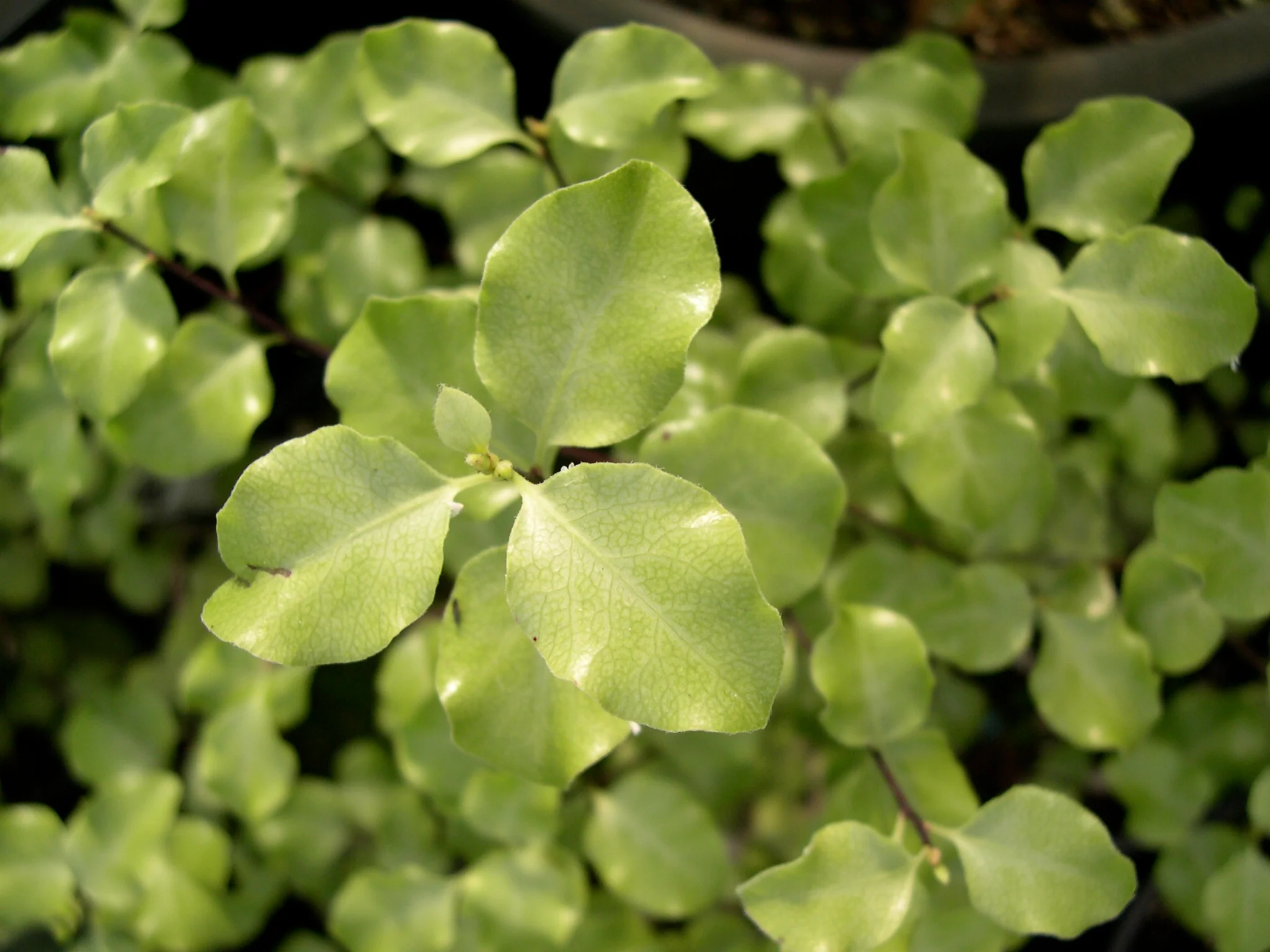
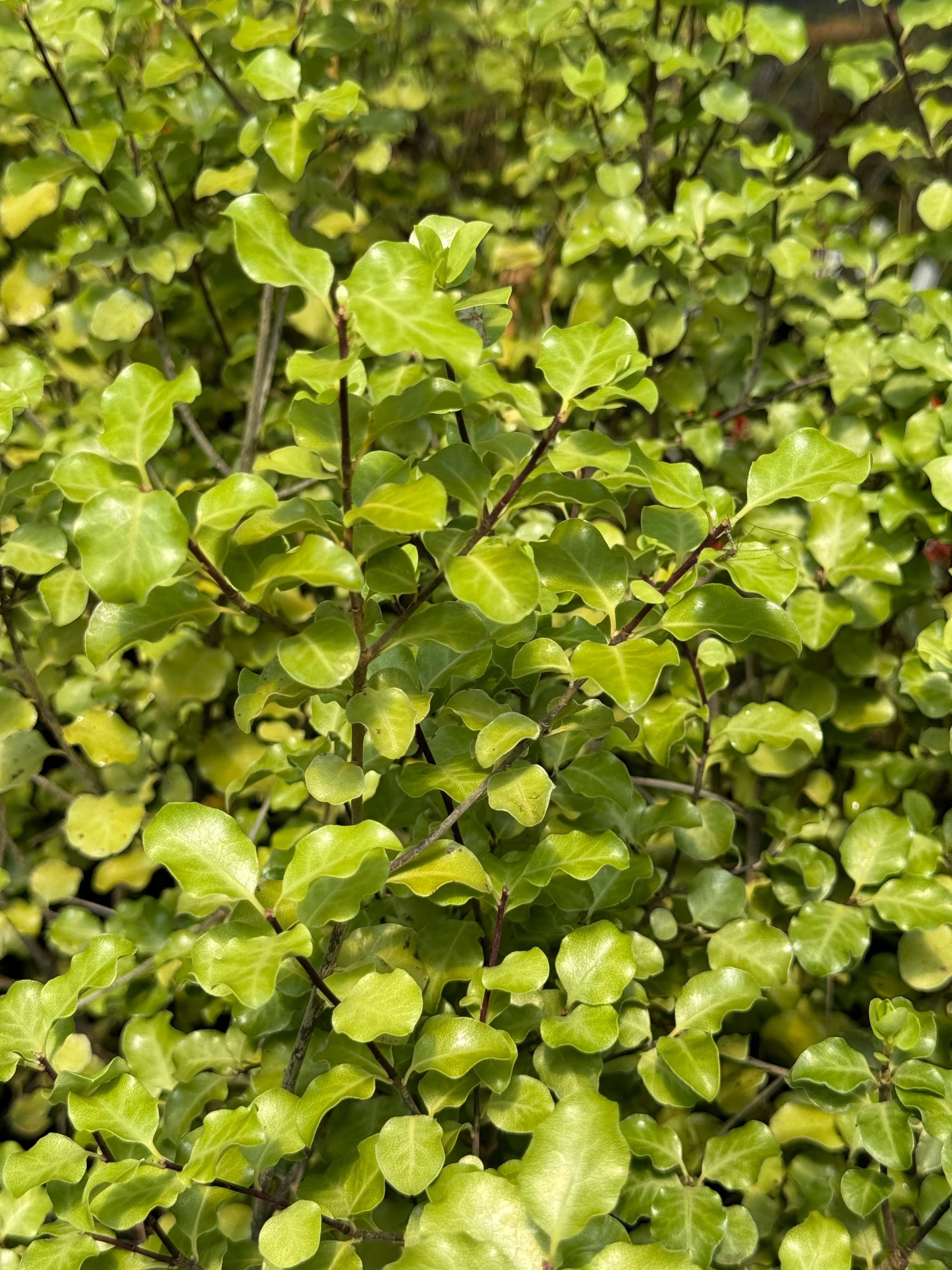
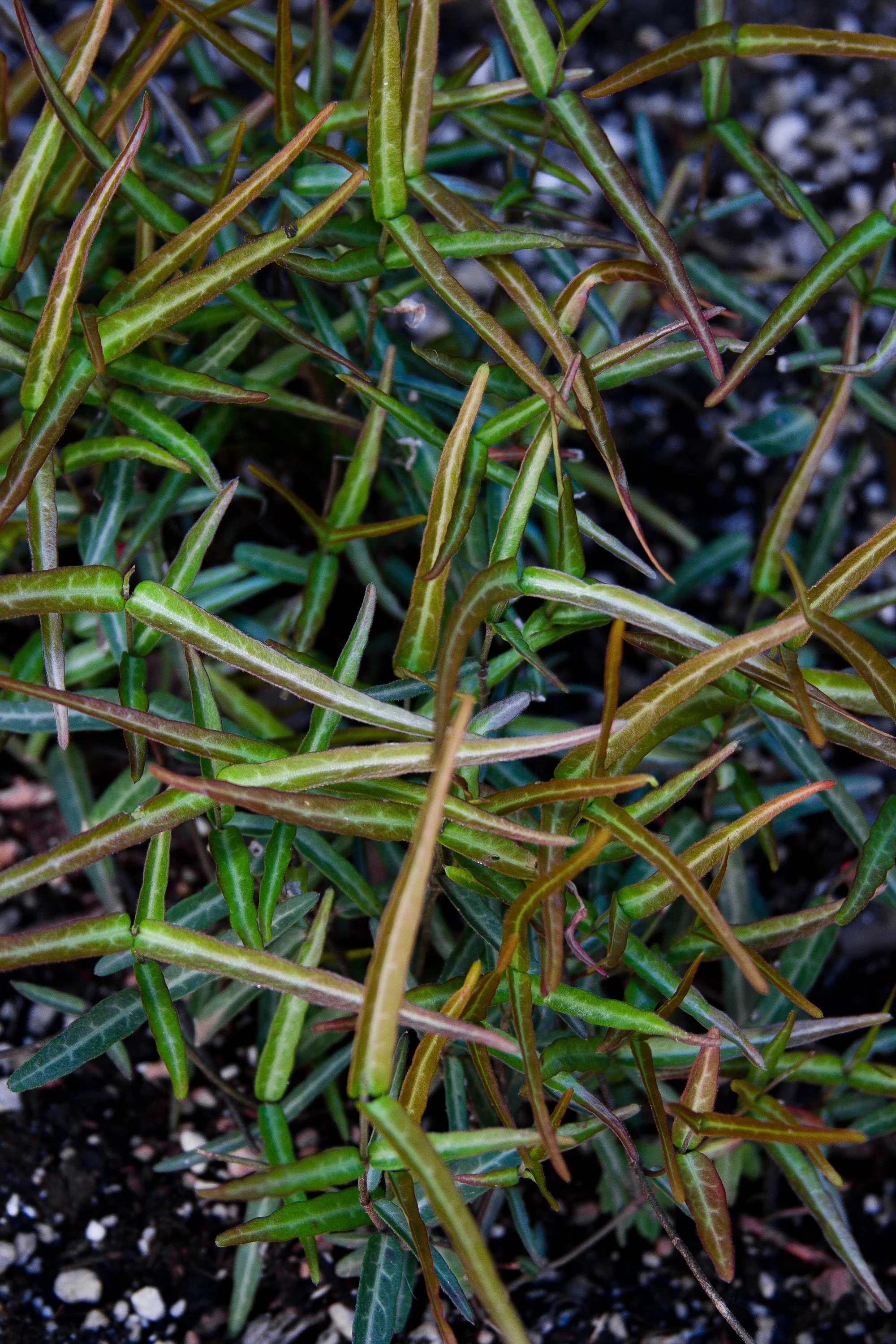
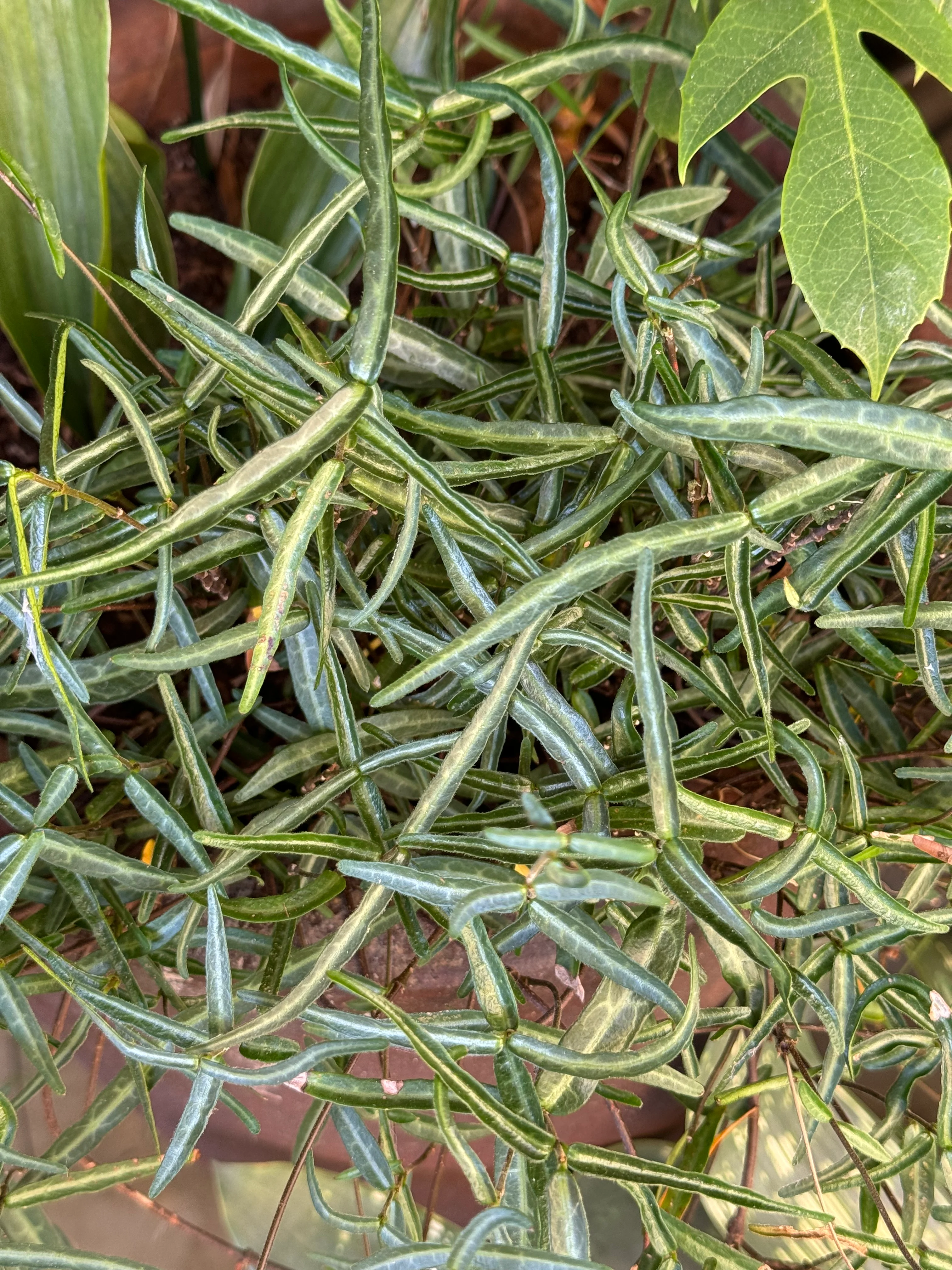
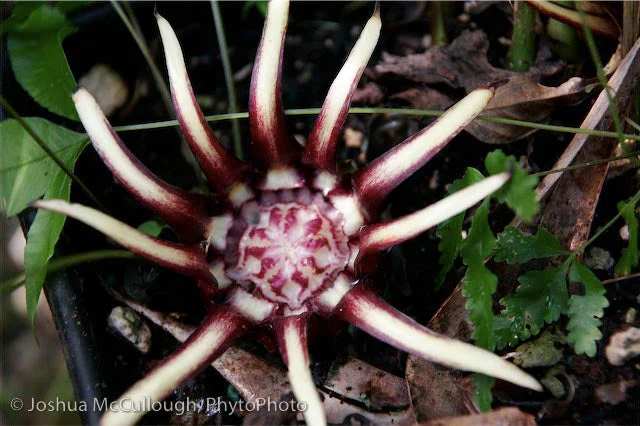
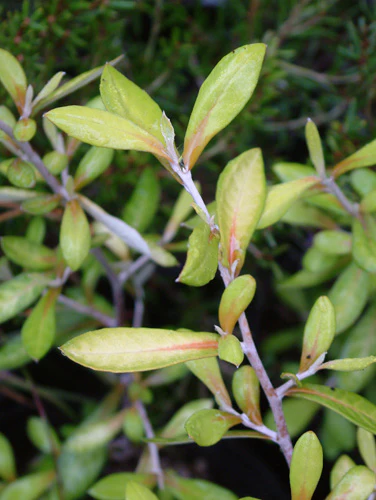
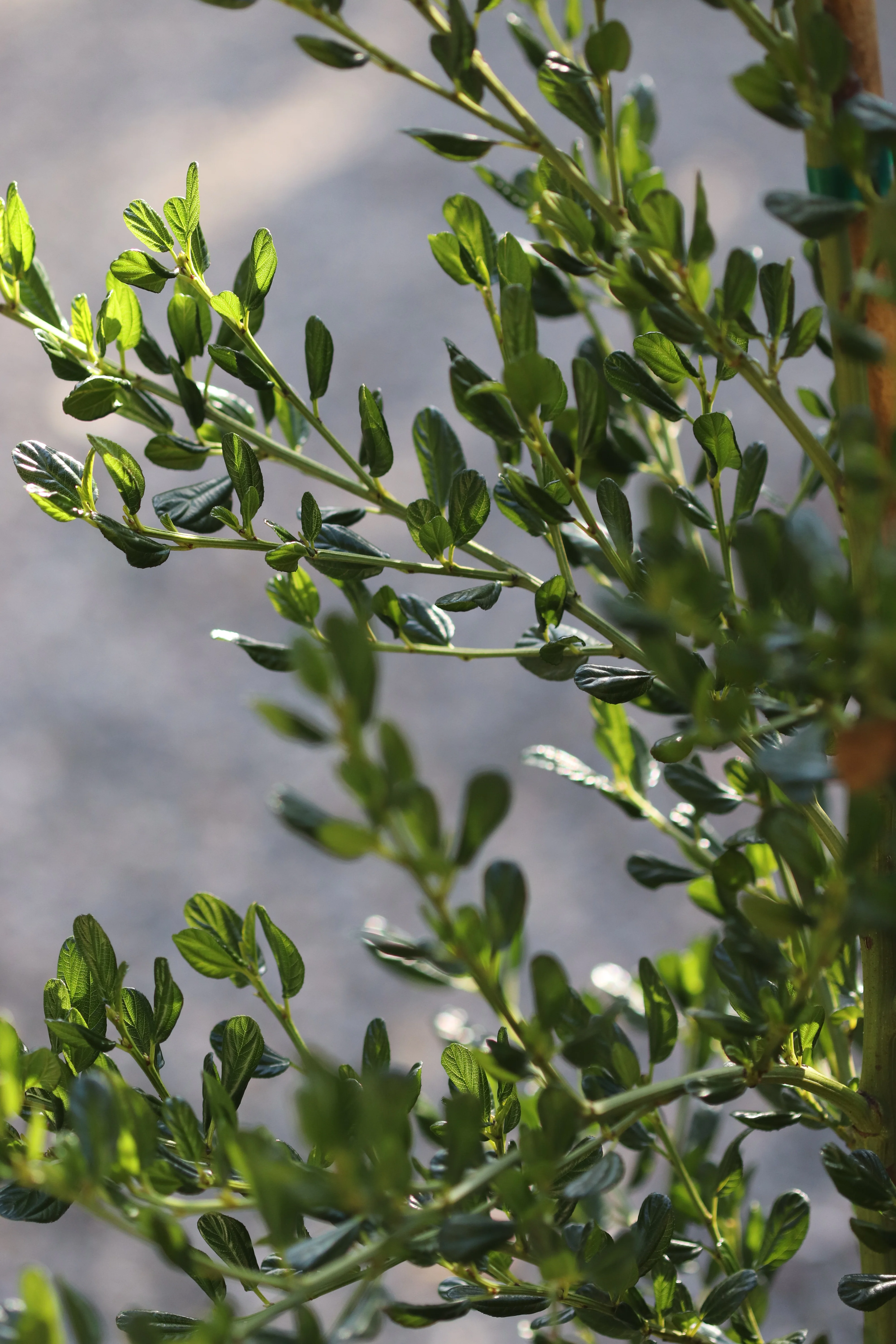
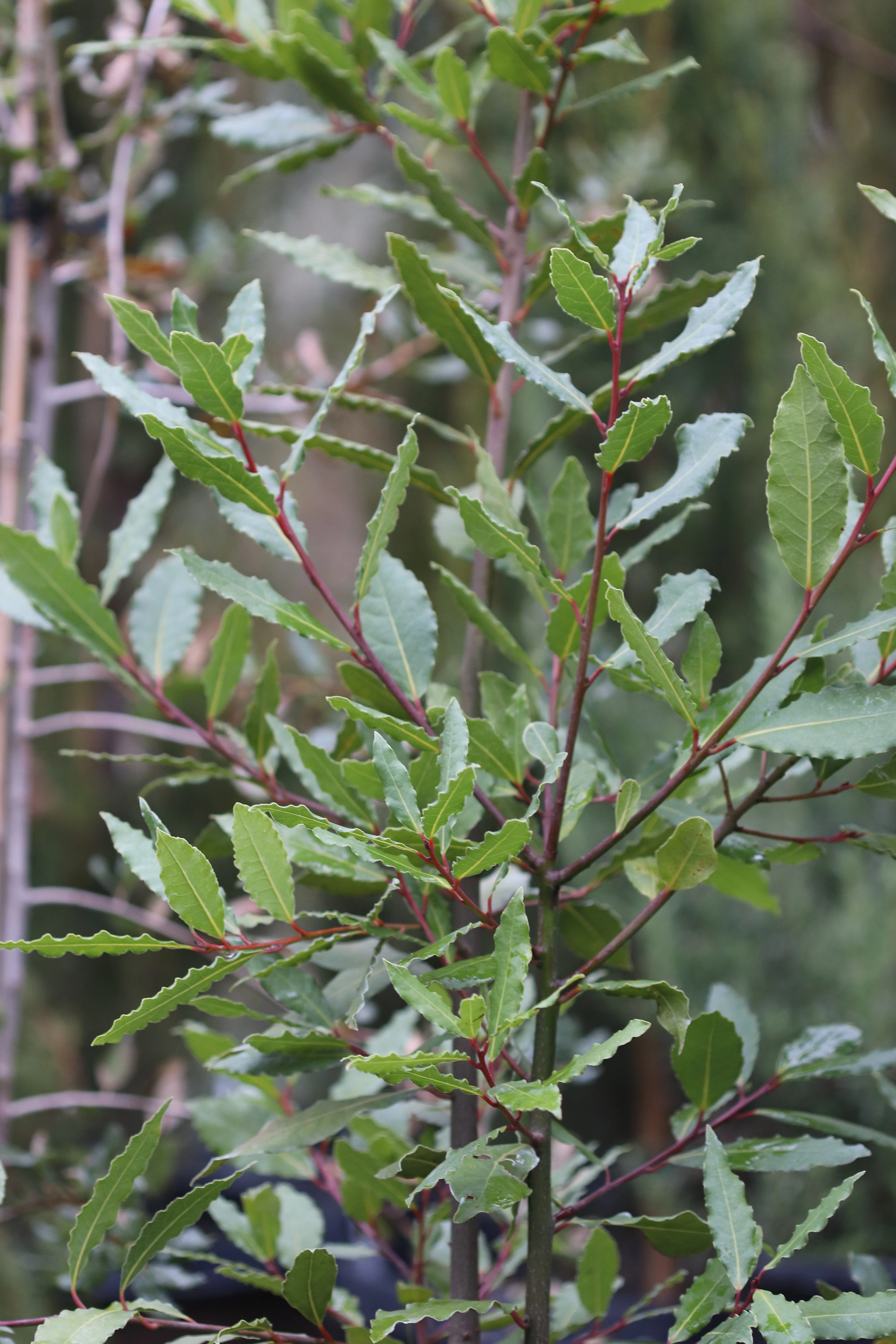
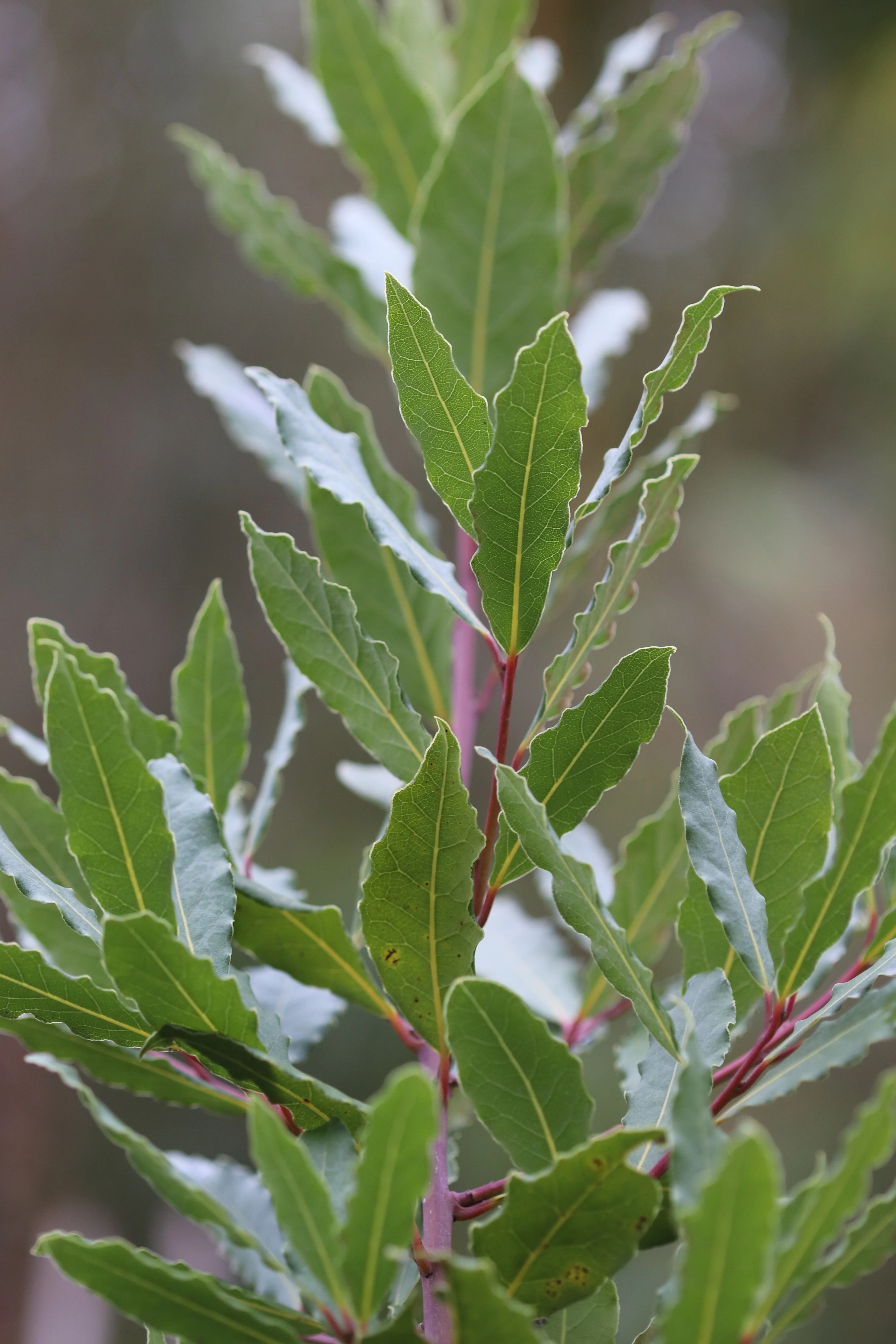
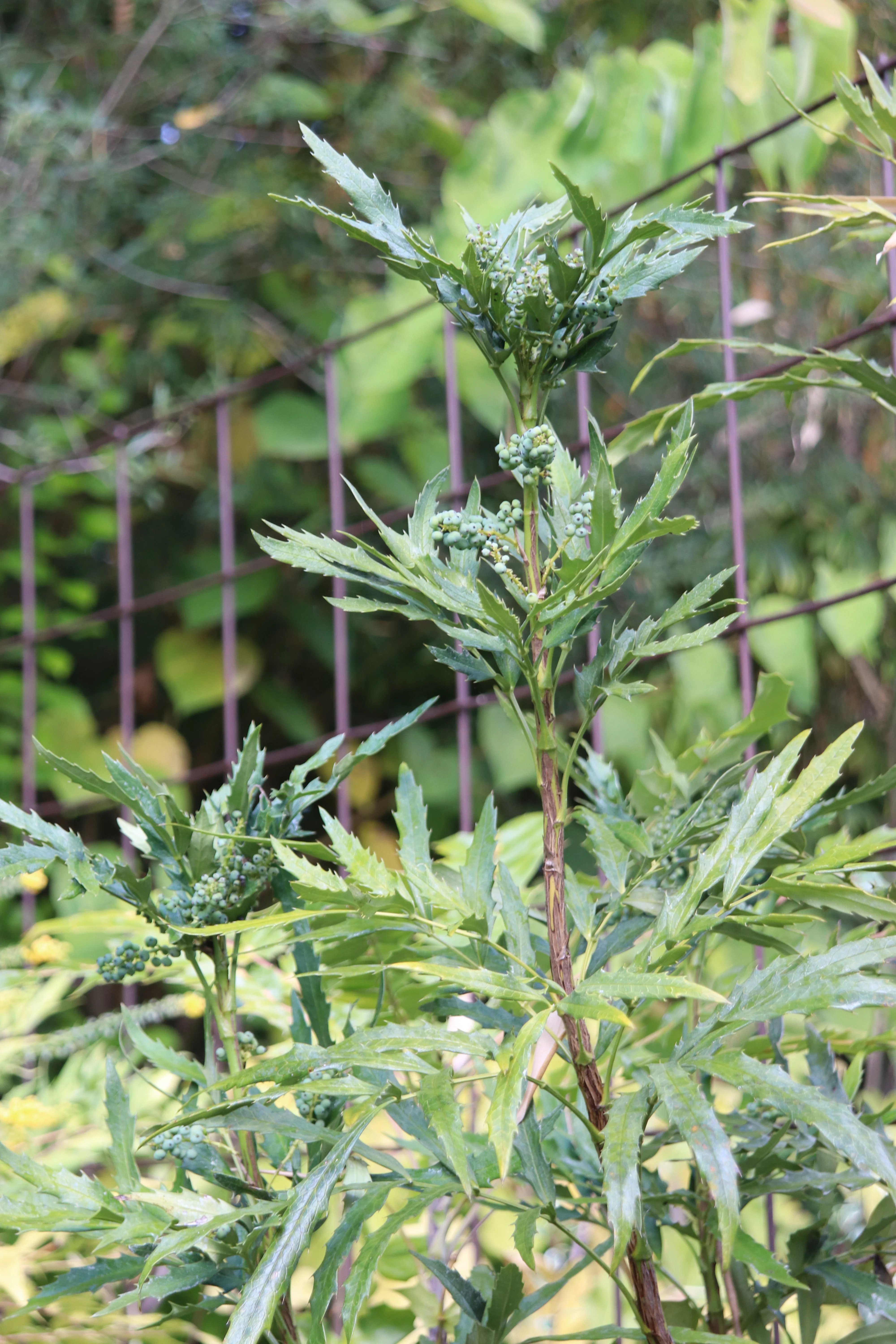
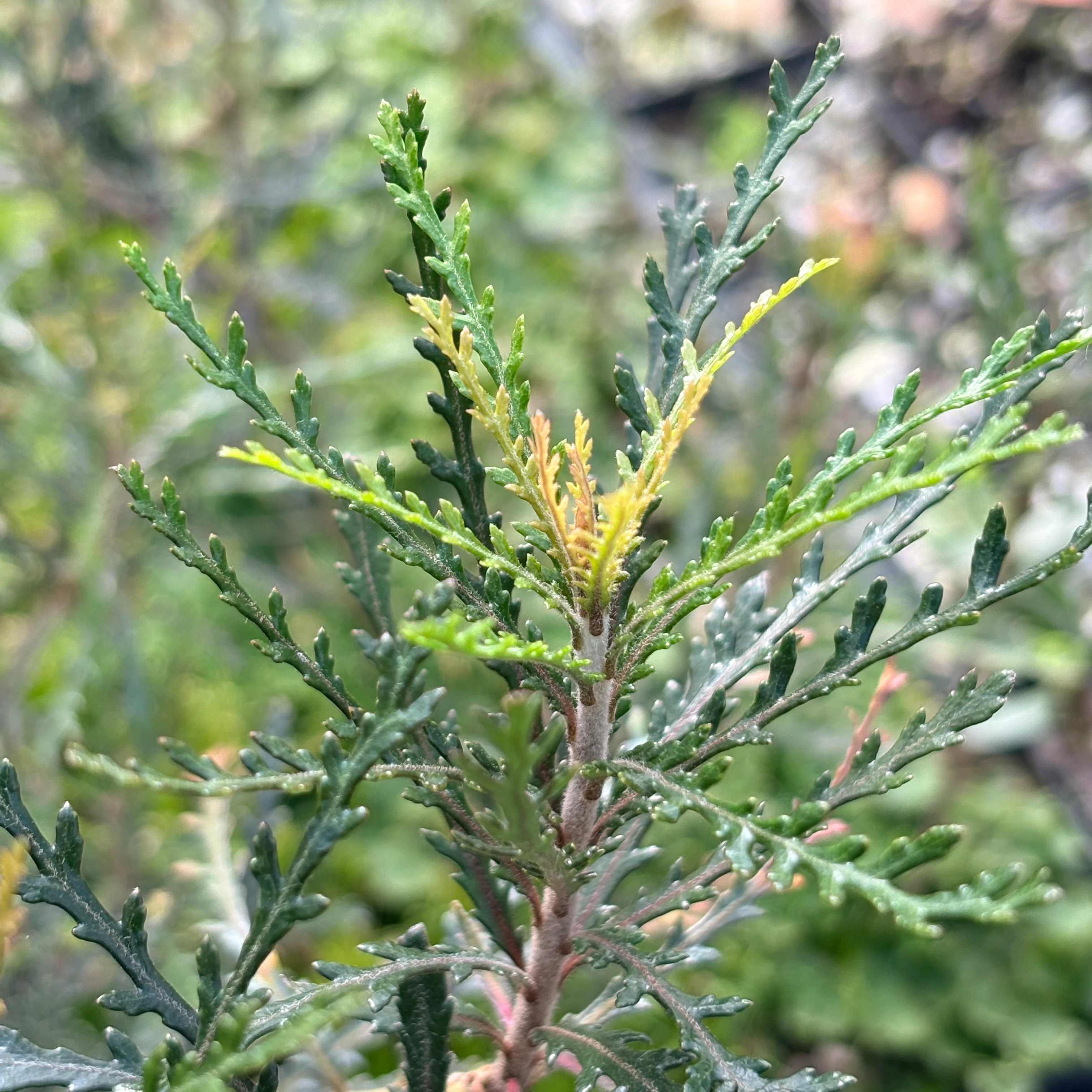
A most unusual member of the genus from New Zealand southern South Island, endemic to only a couple of spots along the Bellcloutha River. Growth is narrow and upright to 8-15' with black, spidery leaves in youth, enlarging only somewhat in adulthood, with more rounded bright green leaves and a multitude of deep maroon flowers said to be the most fragrant of the genus, reminiscent of carnations. This should make a fine new addition to the garden, especially the Goth garden. We have surmised hardiness to zone 8 that has been verified by surviving 12F in winter 2014 in the garden of our super friend Loree, where she and the plant survived the winter unscathed.
Pittosporaceae
Pittosporum patulum
A most unusual member of the genus from New Zealand southern South Island, endemic to only a couple of spots along the Bellcloutha River. Growth is narrow and upright to 8-15' with black, spidery leaves in youth, enlarging only somewhat in adulthood, with more rounded bright green leaves and a multitude of deep maroon flowers said to be the most fragrant of the genus, reminiscent of carnations. This should make a fine new addition to the garden, especially the Goth garden. We have surmised hardiness to zone 8 that has been verified by surviving 12F in winter 2014 in the garden of our super friend Loree, where she and the plant survived the winter unscathed.
Pittosporaceae
Product Information
Product Information
Shipping & Returns
Shipping & Returns
Description
A most unusual member of the genus from New Zealand southern South Island, endemic to only a couple of spots along the Bellcloutha River. Growth is narrow and upright to 8-15' with black, spidery leaves in youth, enlarging only somewhat in adulthood, with more rounded bright green leaves and a multitude of deep maroon flowers said to be the most fragrant of the genus, reminiscent of carnations. This should make a fine new addition to the garden, especially the Goth garden. We have surmised hardiness to zone 8 that has been verified by surviving 12F in winter 2014 in the garden of our super friend Loree, where she and the plant survived the winter unscathed.
Pittosporaceae